
Coins Under Three Flags: The Remarkable Story of the 1861-O Half Dollar
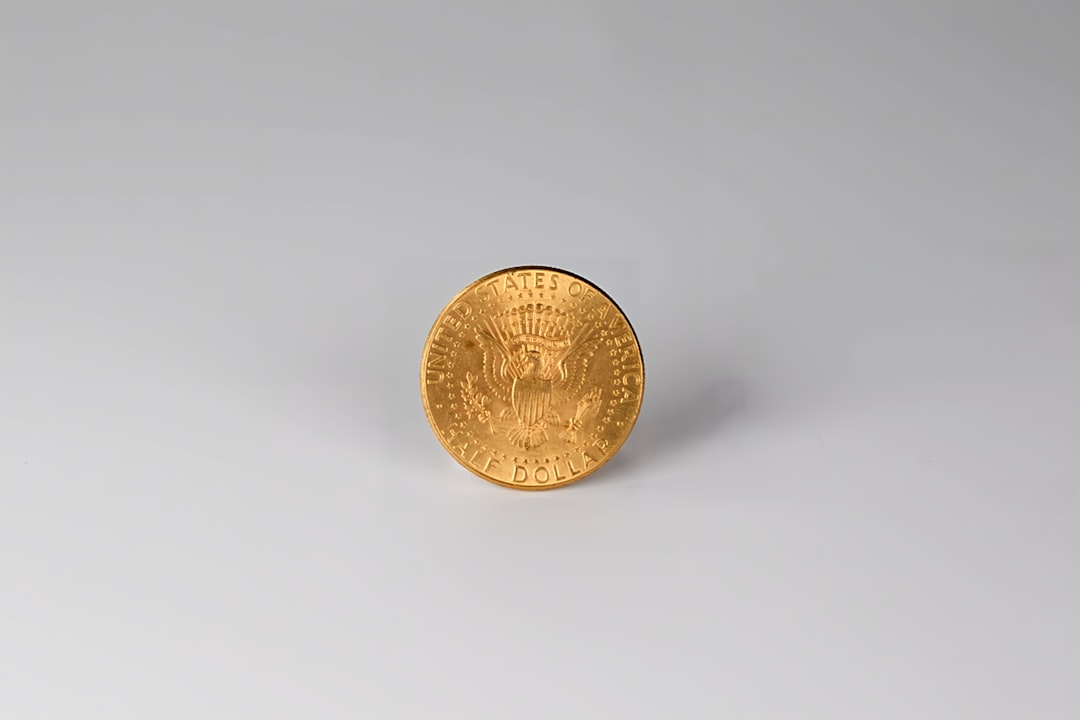
A Mint in Transition: New Orleans in Early 1861
Few coins in American numismatic history carry the political weight of the 1861-O half dollar. In the span of a single calendar year, the New Orleans Mint operated under three distinct sovereignties — the United States government, the State of Louisiana, and the Confederate States of America — producing coins that are outwardly identical yet historically worlds apart. Understanding this coin means understanding one of the most turbulent moments in the history of American minting.
When Louisiana formally seceded from the Union on January 26, 1861, state militia seized the New Orleans Mint just days later, on January 31. At that moment, the facility contained federal equipment, federally owned bullion, and a workforce accustomed to producing United States coinage. Rather than halt production, Louisiana continued striking coins using existing federal dies. The mint then passed to Confederate control in late February, when Louisiana officially joined the Confederate States of America and transferred its seized federal assets to the new government. Coinage under the CSA continued until late spring, when bullion supplies were exhausted and production ceased entirely.
The result was a single date — 1861-O — struck across three governments, with no visible distinction on the coins themselves. The Seated Liberty half dollar dies used throughout the year were federal in design, federal in execution, and uniform in appearance. For the overwhelming majority of the approximately 2.5 million half dollars struck that year in New Orleans, individual attribution to a specific government is simply not possible.
The One Die Variety That Changes Everything
There is one narrow exception to that rule, and it has become one of the most prized die varieties in 19th-century American coinage. Numismatists have identified a specific reverse die — now catalogued as the “CSA Reverse Die” — that was used exclusively during Confederate production. This die bears a tiny but identifiable crack and other diagnostics that allow specialists to attribute certain 1861-O halves as having been struck under Confederate authority. Coins showing this reverse are actively sought by advanced collectors and command significant premiums, as they represent perhaps the only circulating Confederate coins that can be conclusively identified as such.
The story of how that die was identified is inseparable from one of the most fascinating chapters in Confederate numismatic history.
Four Coins for a New Nation
The Confederate government harbored ambitions of establishing its own national coinage. In the spring of 1861, dies were prepared featuring a new Confederate reverse design — a shield flanked by a branch and a cotton stalk, encircled by the legend “Confederate States of America” and the denomination. The obverse retained the familiar Seated Liberty design from federal coinage.
Only four coins were ever struck on this Confederate reverse die. They were produced on a hand press, using regular federal half dollar planchets, and distributed to four individuals of historical note: Confederate Secretary of the Treasury Christopher Memminger, Confederate President Jefferson Davis’s aide-de-camp, the Chief Coiner of the New Orleans Mint E.B. Mason, and the man who designed the Confederate reverse, Dr. E.H. Ames. The four original Confederate half dollars represent the entirety of the CSA’s realized coinage — a symbolic gesture that preceded the collapse of any further minting ambitions.
Bullion shortages, logistical breakdowns, and the mounting demands of war ensured that Confederate coinage never advanced beyond those four pieces. The economic infrastructure required for a functioning national mint simply could not be sustained alongside the war effort.
Restrikes, Restrikes, and How to Tell Them Apart
The story resurfaced in 1879 — though the restrikes are more commonly cited as having been produced in 1879, the Confederate dies were rediscovered and leveraged by Philadelphia coin dealer Captain John W. Haseltine. Having acquired the original Confederate half dollar die and a supply of genuine 1861-O half dollars, Haseltine produced 500 restrikes by impressing the Confederate reverse onto already-circulated federal coins. These pieces, struck on genuine period planchets, bear the federal obverse on one side and the Confederate reverse on the other — creating a coin that is technically a restrike but carries authentic 19th-century material. The 1861 Confederate States of America 50C Restrike exemplifies exactly this type of historically significant piece.
Distinguishing originals from Haseltine restrikes requires close examination. The four originals were struck on fresh, uncirculated planchets and show no wear on either side prior to striking. The restrikes, by contrast, show wear on the obverse consistent with circulation, since Haseltine used coins already in circulation as his planchets. Additionally, the alignment of the two sides differs between originals and restrikes, a result of the different methods and presses used. Auction records for original Confederate half dollars, when they appear, reflect values far beyond those of even the finest Haseltine restrikes.
What These Coins Reveal About Confederate Economics
The broader legacy of Confederate coinage attempts illuminates the structural weaknesses of the CSA’s financial foundation from its earliest days. The Confederate government relied heavily on paper currency, bonds, and state-issued notes rather than hard money — a reflection of the South’s limited industrial capacity and precious metal reserves. The four half dollars struck in 1861 were never a practical solution; they were a statement of legitimacy that the Confederacy could not follow through on.
Surviving pieces — the four originals, the Haseltine restrikes, and the attributable CSA-reverse 1861-O half dollars — offer collectors a tangible connection to this constitutional and economic crisis. They are artifacts not merely of coinage history but of a moment when the very machinery of a government’s monetary authority was contested, transferred, and ultimately abandoned within the course of a single year. Collectors interested in the broader context of 19th-century American silver coinage often find that pieces like the 1835 Capped Bust Half Dollar help illustrate the long numismatic lineage that preceded the Civil War’s disruption of American minting.
For serious collectors, the 1861-O half dollar in any of its identifiable forms represents one of the most historically layered acquisitions available in 19th-century American numismatics.
Premier Rare Coins maintains an active inventory of Civil War-era coinage, including Seated Liberty half dollars, Confederate-related varieties, and other historically significant 19th-century pieces. Browse the current selection to find coins that combine investment potential with genuine historical depth.