
What I Learned About Coin Errors: A Deep Dive into the Fascinating World of Numismatics
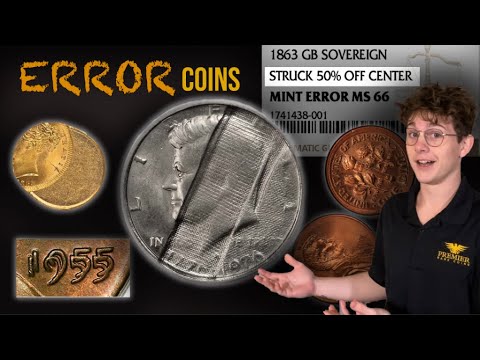
What I Learned About Coin Errors: A Deep Dive into the Fascinating World of Numismatics
I just watched a video that completely transformed my perspective on collecting coins, and I have to share it with you! How to Identify Coin Errors from Premier Rare Coins opened up an entirely new universe of coin collecting for me. Honestly, I was a bit of a novice before this; I didn’t realize just how fascinating—and valuable—coin errors can be. Whether you’re a seasoned collector or just curious, trust me; you’ll want to stick around for this one!
The Big Reveal
From the moment I clicked play on the video, I was pulled into the world of coin errors. The host’s enthusiasm for coins was infectious, and I couldn’t help but feel excited! I’ve always had a passing interest in coins, but I had no idea how much depth there was to exploring errors. I’ll admit, I was expecting a dry, informative piece, but what I found was anything but boring! Here’s the kicker: the variety of errors can be as dramatic as a romantic comedy plot twist.
Take the 1955 Double Die Lincoln cent, for example. I couldn’t believe when the host explained that this single coin struck with two impressions of the design is now a sought-after treasure among collectors. It’s like finding a hidden Easter egg in a world you thought you knew well. For a coin that started as just another penny, it can fetch thousands of dollars! What really blew my mind was the idea that a minting mistake could turn a humble coin into a piece of history. It’s fascinating!
Why Coin Errors Matter
You might be wondering, “Why should I care about errors?” Here’s what matters: errors not only tell a story, they also represent a unique intersection of art and science. Coin minting is a meticulous process, and when something goes wrong, it creates these anomalies that make certain coins rare. Get this: the 1943 bronze Lincoln cent was an absolute accident, created when a small number of coins were accidentally struck on bronze planchets meant for the previous year. This coin is now celebrated for its rarity, and I was completely taken aback by how much money these “mistakes” can fetch. Seriously, that floored me!
The Hidden Costs
Now, here’s the thing—while these coins can be worth a lot, there’s also a catch. I learned that not every error coin is worth its weight in gold (or in copper, in some cases!). You’ve got to know how to identify them. The video laid out several types of errors including planchet errors and die cracks. Each type comes with its own setup, kind of like choosing a character in a video game, where each choice has a different outcome. To put it in perspective, understanding the specific error types can mean the difference between a $10 coin and one that could potentially earn you a small fortune!
What Really Surprised Me
I was also captivated by some historical gems the host showcased, like the infamous 1937-D “Three-Legged” Buffalo nickel. It’s almost like part of history is trapped in this small piece of metal! The story goes that a die used for this nickel got damaged, leading to the peculiar missing leg. Imagine holding a coin that carries a tale of survival through decades! It made me wonder, what other stories could be buried in my own coin collection? Am I the only one who hadn’t even checked my spare change for hidden treasures?
Engaging with Coin Collecting
The video made an excellent point about how engaging with coin collecting can be thrilling. You can almost feel the weight of history in your palm when you hold one of these unique pieces. If I’m being totally transparent, I even found myself rummaging through my own collection post-viewing! I mean, could I be sitting on my very own “holy grail” of coins? The excitement of the hunt was palpable, and I found myself thinking about what I could encounter.
Practical Takeaways: What You Can Do
So what does this mean for you? Whether you’re a curious beginner or an avid collector, you can take actionable steps right away! First things first: start examining your own coins. Look out for common indicators of error coins like doubling in designs and unusual shapes. Don’t dismiss those old coins in your attic or at the bottom of your drawer; they might be more than just nostalgic pieces! I learned that having the right tools can make a big difference, so consider getting a magnifier or a detailed coin guide.
Here’s a cool tip: join a local coin club or online forum! Connecting with other collectors can open your eyes to tips, stories, and experiences you might not get just by watching videos or browsing online. Trust me, hitting that “connect” button can lead to amazing conversations. Plus, you might find someone who can help you identify that doubtful coin sitting in your collection!
Final Thoughts
After watching This video, I give it an enthusiastic 8/10! It’s clear that Premier Rare Coins knows their stuff, and they delivered it in an engaging, personal way that kept me hooked the entire time. I’d recommend this video to anyone with even a passing interest in coins, history, or collectibles. The world of coin errors is just waiting to be explored, and who knows—maybe you’ll uncover a hidden gem!
Watch the full video here and let me know what you think: <a href="https://www.youtube.com/watch?v=gB4vYPkIsDk" target=”_blank” rel=”noopener”>How to Identify Coin Errors – Premier Rare Coins