
Building a Type Set of U.S. Half Dimes: The Forgotten Silver Coin Worth Collecting
A Silver Series Hiding in Plain Sight
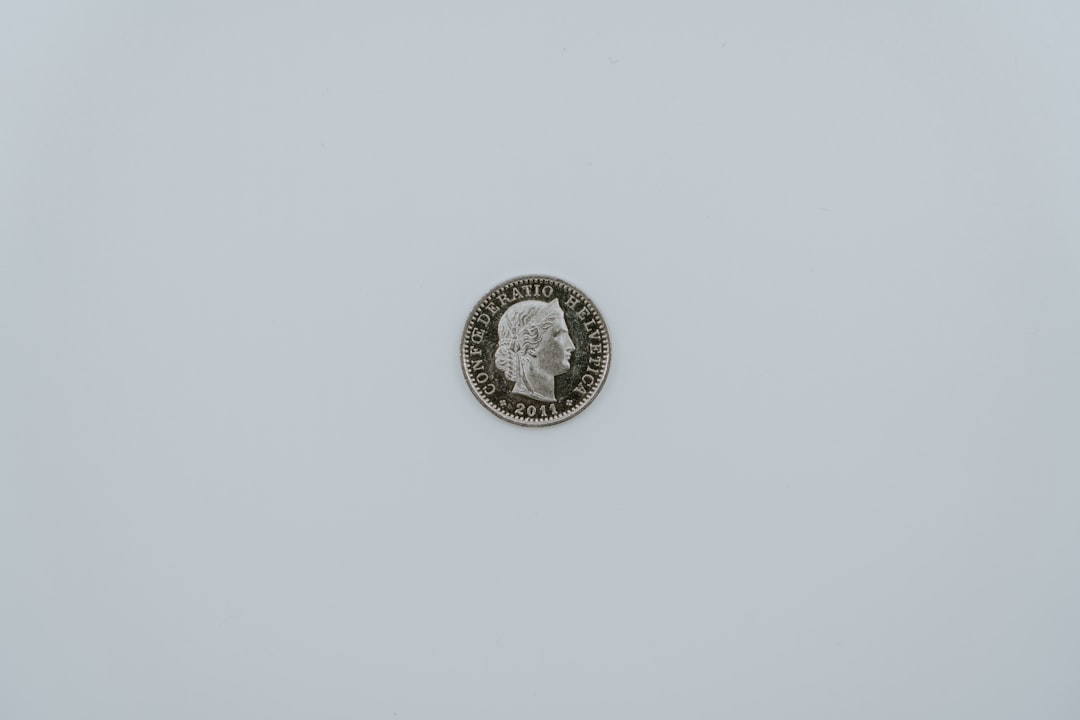
Among all United States coinage, few series offer the combination of historical depth, design variety, and relative affordability that the half dime provides. Struck continuously from 1794 through 1873, these diminutive silver pieces — smaller in diameter than a modern dime and lighter than almost any other U.S. coin ever issued — witnessed nearly a century of American monetary history. Yet collectors routinely overlook them in favor of their larger silver cousins. That oversight creates a genuine opportunity. Building a type set of U.S. half dimes means acquiring some of the most artistically significant designs in American numismatic history, often at prices that would be impossible for comparable large cents or bust dollars.
Five Types, One Coherent Collection
A complete half dime type set spans five major design categories, each reflecting the artistic and political sensibilities of its era. The Flowing Hair Half Dime (1794–1795) represents the very earliest expression of U.S. silver coinage. Designed by Robert Scot, these coins feature Liberty with hair streaming freely to the right — a portrait that today reads as raw and energetic rather than polished. Circulated examples in VF to EF grades remain obtainable, though any original-skin specimen commands serious attention from advanced collectors.
The Draped Bust Half Dime follows in two distinct subtypes. The Small Eagle reverse (1796–1797) and the Heraldic Eagle reverse (1800–1805) both carry the elegant bust portrait attributed to artist Gilbert Stuart’s rendering of a Philadelphia socialite. These are genuinely scarce issues — total mintages were minuscule by modern standards — and represent the most challenging acquisitions in any half dime type set. Even well-worn examples carry substantial premiums, and collectors should insist on problem-free surfaces, as cleaning and environmental damage are common in this series.
The Capped Bust Half Dime (1829–1837) arrives with John Reich’s bold, classically inspired portrait and a cleaner, more mechanical execution that reflected advances in U.S. Mint technology. These are comparatively available in circulated grades and represent excellent value for collectors entering the series. The design carries a satisfying visual weight unusual for a coin of such small diameter.
The longest-running design, the Liberty Seated Half Dime (1837–1873), encompasses several important subtypes of its own: the original No Stars obverse (1837–1838), the Stars on Obverse type, the Arrows at Date variety introduced in 1853 reflecting the adjustment to silver weight standards, and the later Legend on Obverse issues beginning in 1860. A fully comprehensive type set should include at least the No Stars and Legend subtypes as distinct acquisitions, as they differ substantially in appearance and historical context.
The Transitional Patterns of 1859–1860
Among the most intellectually compelling areas within the entire half dime series are the transitional pattern pieces struck in 1859 and 1860. During this period, the Mint was in the process of adding the inscription UNITED STATES OF AMERICA to the reverse — a legend that had previously appeared on the obverse. The resulting transitional pieces, struck with the obverse Stars design paired with the new legend reverse (or vice versa), exist in configurations that bear no national identity inscription whatsoever. These “no motto, no legend” coins represent a genuine numismatic anomaly: official U.S. coinage that does not identify its country of origin on either face. While catalogued as patterns in some references, certain pieces were struck in sufficient numbers and circulated freely enough that they occupy a fascinating gray zone between pattern and regular issue. Advanced collectors pursuing these transitional varieties find that they reward careful research and patience in equal measure.
Die Varieties for the Specialist
For collectors who pursue die variety attribution through references such as the Valentine catalog, the half dime series offers extraordinary richness. The 1800 LIBEKTY error — in which the reverse legend on certain die marriages reads LIBEKTY rather than LIBERTY due to a misaligned or defective punch — remains one of the most celebrated blunders in early American numismatics. Well-attributed examples carry premiums well above comparable non-error specimens, and the variety is frequently encountered in impaired condition, making problem-free examples genuinely desirable.
The 1858 Over Inverted Date is another landmark variety, produced when a die was punched with the date inverted and then corrected. The ghost of the underlying numerals is clearly visible on sharp examples, giving the coin an almost ghostly double-image quality that draws immediate attention under magnification. These are among the more accessible major varieties in the series and represent an excellent entry point for collectors beginning to explore die variety attribution.
Understanding Value: Silver Spot, Scarcity, and Mint Marks
Half dimes contain just over 0.03 troy ounces of silver in their standard composition, meaning that at most silver spot price levels, even a worn example carries modest but real intrinsic value. However, collector premiums over melt begin immediately for any coin in recognizable condition, and they escalate sharply for scarcer dates and mint marks.
New Orleans Mint half dimes (bearing the O mint mark) were struck from 1838 through 1861, and many O-mint issues carry substantial premiums in grades above VF. The San Francisco Mint produced half dimes from 1863 through 1873, and S-mint pieces from the Civil War era are notably scarce in all grades due to low mintages and heavy circulation during a period of economic uncertainty. When evaluating any branch mint half dime, the combination of grade, surface quality, and mint mark placement relative to known varieties should all factor into a purchasing decision. Certified examples from PCGS or NGC provide important baseline authentication for any coin commanding a meaningful premium above type value.
Why Now Is the Right Time to Build This Set
The half dime type set remains one of the more achievable advanced collecting goals in American numismatics. Early type coins in the series are genuinely scarce, but not so rare that assembling a representative set is unrealistic. The design progression from Flowing Hair through Liberty Seated tells a coherent story of aesthetic and institutional development at the U.S. Mint. And because collector attention has historically focused elsewhere, well-preserved examples of many issues remain underpriced relative to their true rarity. For the patient, well-informed collector, that gap between perceived and actual value is precisely where opportunity lives.
Premier Rare Coins maintains an active inventory of certified and raw half dimes across all five major design types, including select die varieties and transitional issues. Browse our current half dime listings to find the next addition to your type set or specialist collection.