
How of currency is Revolutionizing the Industry
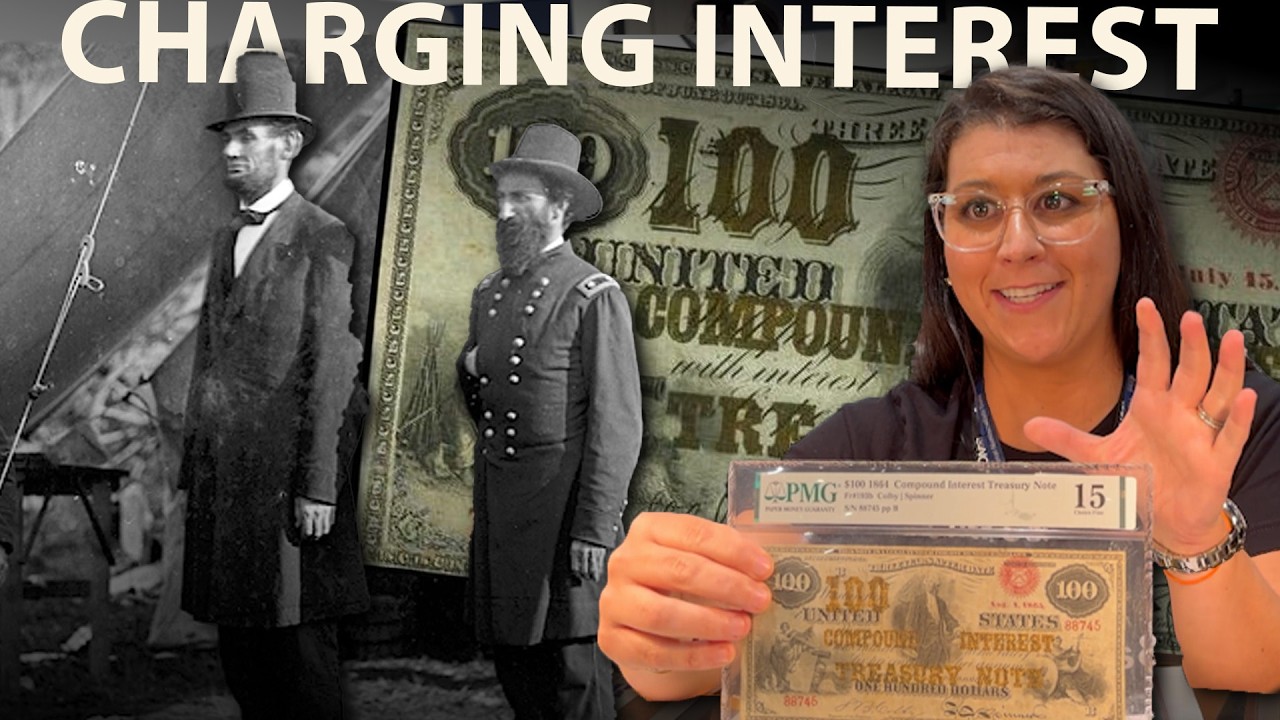
I Just Watched a Mind-Blowing Video About an 1864 $100 Bill, and Here’s What Got Me Hooked
If you’ve ever found yourself staring into the depths of your wallet, contemplating the shrinking power of a dollar, you’re not alone. I recently dove into a fascinating YouTube video titled The Civil War Era $100 Bill That Beats Inflation, and wow—did it reshape my understanding of currency! Watching this piece, I honestly felt like I was learning a hidden secret about history and finance. And trust me, it’s not just me waxing poetic; this stuff is genuinely intriguing!
What drew me into the video was the promise of exploring a rare 1864 Compound Interest Treasury Note introduced during the Civil War. I’ve always been a bit of a history buff, especially when it intersects with finance, so I couldn’t resist. Little did I know this experience would turn my world upside down regarding what I thought I knew about money, inflation, and the sheer rarity of some financial instruments.
The Big Reveal
As the video opened up, I was immediately struck by Bianca Bart’s passion during her presentation at the 2026 Savannah Georgia ANA National Money Show. Here she was, holding an 1864 $100 Treasury Note—a piece of history that very few get to lay eyes on! You’ve got to imagine it: a crisp, vintage bill that has weathered time, history, and the financial ups and downs of a nation.
During the video, as Bianca explained the role of these notes in funding the Union’s war efforts, I couldn’t help but feel a sense of awe. This bill wasn’t just a currency; it was a complicated financial strategy to manage debt and relieve inflationary pressure. Get this—it actually accrued interest! When I heard that the note amassed $119.40 after just three years, I was floored. Can you believe that? A piece of paper essentially working for you while you sleep!
Why This Matters
As the video progressed, it became clear that we weren’t just talking about a cool collectible here; we were delving into the gritty details of financial history during the Civil War. The complexity behind using compound interest as a means of debt management during such tumultuous times made me appreciate the creativity involved in designing currency.
Bianca’s insights really opened my eyes to the broader economic strategies of the era. It’s not just about coins and notes we use today; historical currency like this played a crucial role in shaping America’s financial landscape. Honestly, I thought about how modern-day finance operates—debates over national debts and inflation still loom large, but it seems like we’ve lost some of that innovative spirit in our approach.
The Hidden Costs of Counterfeiting
Here’s the kicker: during Bianca’s explanation, she touched upon anti-counterfeiting measures that went into designing these notes. Knowing that currency has always been vulnerable to fraud made me rethink my own understanding of money security. Today’s banknotes sport intricate designs and technologies to fend off counterfeiters, but back then, they had to be just as clever. Can you imagine how nerve-wracking it must have been to carry something so potentially valuable and yet so easily mimicable?
From watermarks to unique engravings, these efforts gave me a newfound respect for the artisans involved in crafting money that not only functioned but also told a story. This was already more than just a financial transaction; this was history’s narrative captured in paper form.
What Really Surprised Me
Keep in mind, I went into this video thinking it would just be a rundown of an interesting note, but then came the real shocker: there are only a handful of these notes confirmed in private hands! When Bianca displayed the rarity of this historic bill, it hit home just how much value collectors place on it. I could almost feel the excitement in the air as she recounted how some people would give anything just to add a piece of history to their collection.
If I had this note, I’d treat it like a family heirloom! Honestly, it made me wonder how many other underappreciated pieces of history we have in modern times just gathering dust. Wouldn’t you agree? What’s out there waiting to be rediscovered?
So What Does This Mean for You?
Now, you might be wondering, “What does this mean for me?” Well, let me break it down. First off, the idea of investing in collectibles like rare currency has become increasingly relevant today. With inflation rising in recent years, the thought of holding onto tangible assets rather than just cash stashed in a bank account is becoming more appealing. If these historical notes are any indication, rare currency can indeed be a hedge against inflation, accumulating value over time.
Moreover, the world of numismatics—the study of money—offers everyday folks an avenue to explore not only financial investing but also history. I found myself thinking, if I found a local numismatic club or attended exhibits, I could not only learn more but potentially invest in something that could gain value, just like that $100 bill from the Civil War era!
Practical Steps Moving Forward
Here’s what I recommend based on what I gathered:
- Explore local coin shops: You never know what historical gems can be found right under your nose!
Final Thoughts
So, did this video change my perspective? Absolutely! I’d rate it a solid 9 out of 10; it sparked my imagination and motivated me to dig deeper into not only the history of money but also its role in our lives today. If you have even a slight curiosity about finance or history, you owe it to yourself to watch.
So what do you think—are you ready to dive into the captivating world of currency collecting? Let’s talk about it! What do you think about the rarity and significance of historical currency? Drop a comment if you think some of today’s notes could be the treasures of tomorrow!
Watch the full video here and let me know what you think: <a href="https://www.youtube.com/watch?v=SnxGIUtWj3g" target=”_blank” rel=”noopener”>The Civil War Era $100 Bill That Beats Inflation