
I Just Watched “I Made Coins Using 18th Century Techniques” and Here’s What Blew My Mind
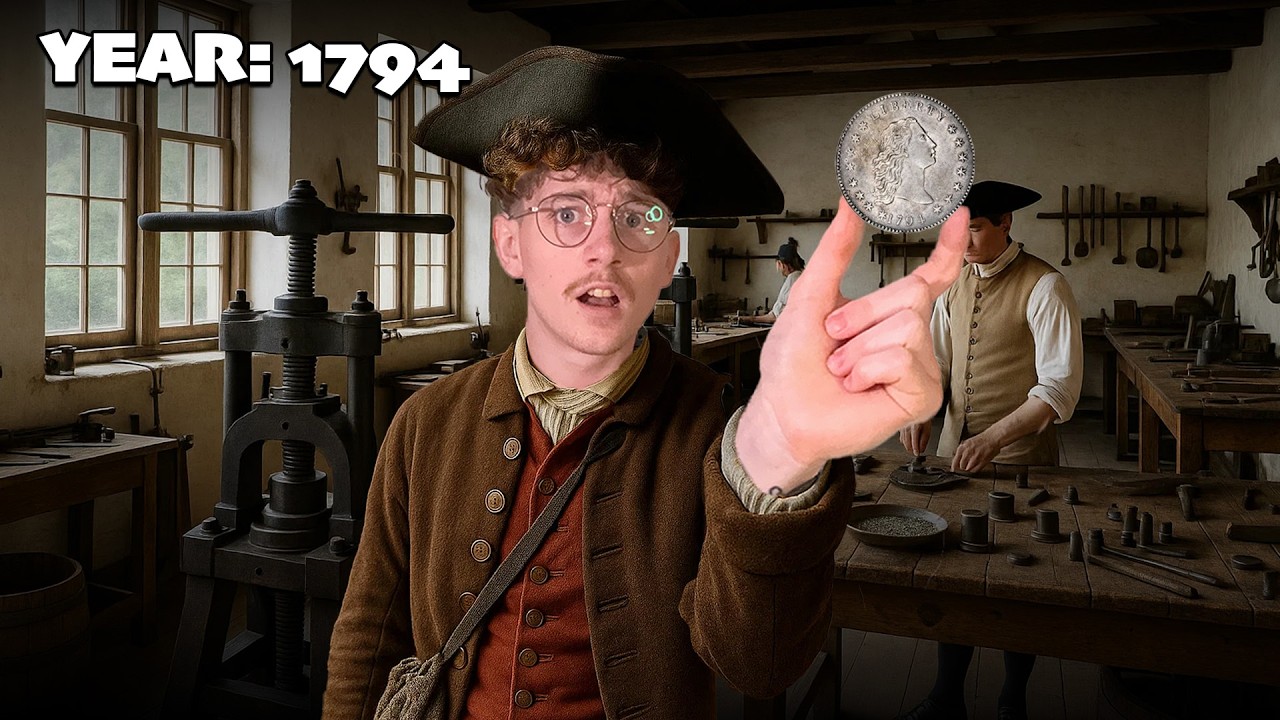
I Just Watched “I Made Coins Using 18th Century Techniques” and Here’s What Blew My Mind
When I stumbled upon the YouTube video titled “I Made Coins Using 18th Century Techniques,” I wasn’t just looking for a new tutorial – I was drawn in by the thought of experiencing a slice of history right from my living room. Honestly, I couldn’t help but imagine the clanking sounds of metal, the smell of old machinery, and the patient craftsmanship that went into every coin. Here’s the kicker: the video didn’t disappoint me. It took me on a journey through the very essence of early American currency, and I couldn’t wait to share my excitement with you!
First Impressions: History Comes Alive
Right from the get-go, I was surprised at how quickly the video transported me back in time. The host introduces us to the fascinating world of the early United States Mint at the American Numismatic Association Museum in Colorado Springs. I was immediately captivated – could you imagine standing in a room filled with the same equipment used centuries ago to create money? It felt surreal, and I honestly felt like a time traveler peeking into the past.
As the host plunged into the topic, I found myself glued to the screen. He shared how important sovereign currency is to a nation—providing not just a means of trade but a sense of pride and unity. I mean, think about it! Coins are like little time capsules; each of them carries a piece of history. Did you ever stop to consider how essential money has been to our daily lives and the progression of society? It’s both mind-blowing and a bit humbling.
Hands-On at the Mini Mint
Now here’s where things get interesting: the “Mini Mint.” As the video shifts focus, that’s when my heart started racing. The host walks us through the step-by-step process of how coins were minted without modern technology. I couldn’t believe how labor-intensive it was! Watching him demonstrate this process was nothing short of mesmerizing.
The first machine he showcased was the rolling mill. I was surprised by how simple yet effective it looked; it seemed like something you’d find in a mechanic’s garage rather than a mint! The sheer effort that went into preparing the metal was like something out of a strenuous workout routine. I could practically hear the gears grinding, as the metal was compressed into sheets. And get this: the sheets had to be the perfect thickness to ensure every coin was just right. Can you imagine doing that with no digital tools? Talk about heart and craftsmanship!
The Cutting Edge: Planchets and Precision
As the process continued, my excitement only grew. Here’s what caught my attention next: cutting the planchets. The host used a coin-cutting design that was both fascinating and efficient. I found myself imagining a giant cookie cutter – but, you know, one that shapes metal instead of dough! Honestly, that floored me. Each planchet had the potential to become a little piece of history, marked with the promise of currency. Isn’t that incredible?
At this point, I was experiencing a whirlwind of emotions. I began to appreciate the painstaking care that went into just shaping these little disks of metal. As a viewer, I felt like I was part of the minting journey. If you’ve ever done a creative project, you’ll know the satisfaction of bringing something from your imagination into reality. Watching this old-world technique reminded me of that joy, but on an entirely different level.
Lettering and the Castaing Machine
Now, let’s talk about the Castaing machine—the next fascinating piece of machinery introduced in the video. My jaw practically dropped when I saw how the letters were engraved on the edges of the coins. This was not just a boring old machine; it had a personality of its own! I couldn’t help but think how cool it was that coins back then weren’t just functional pieces of currency; they were artworks laden with detail, much like the calligraphic designs I used to admire in old books.
What really blew my mind was how history itself took shape through the artifacts produced by these machines. The host explained how the unique edge lettering added a layer of security to the coins. Isn’t that wild? You might not think much about coin security today, but back then, it was a brilliant innovation. I found myself wondering: would you ever think about taking the time to create something so intricate with your own hands? It certainly made me rethink the importance of craftsmanship in our fast-paced world.
Final Strike: The Last Touch
Then came the moment I had been waiting for—the final strike. Honestly, the anticipation built up as I watched the host prepare to stamp the coins. You could almost feel the tension in the air, and I was practically holding my breath! When the hammer came down, I imagined the sound echoing through the mint, a booming testament to the birth of currency. It was exhilarating!
The result? A beautifully minted coin that sparkled under the lights. I marveled at its shine and texture, feeling a sense of awe. There’s something almost magical about seeing a raw piece of metal transformed into a symbol of value. You can almost feel the weight of history in your hands. Imagine holding something that’s been around since before the United States was even fully established!
The Impact of the 1792 Coinage Act
This entire process could not have existed without the 1792 Coinage Act, which laid the foundation for the U.S. Mint. As I reflected on this, I realized how interconnected our modern currency system is with such historical roots. That brick wall representing the foundation of the mint felt even more solid as I thought about the many people whose lives revolved around obtaining, crafting, and trading coins. Truly, currency has been a crucial part of our societal evolution. And to think it all began with such fundamental techniques!
What Does All This Mean for You?
So, what does this mean for the modern-day viewer? First, it emphasizes how every coin carries layers of significance—economic, historical, and artistic. If you ever happen to hold a coin, remember that it’s not just money; it’s a symbol of human ingenuity and perseverance. In a world of instant gratification, there’s something comforting about knowing the blood, sweat, and tears that went into crafting currency.
And speaking of currency, think about how we approach our own projects and crafts. Could we apply that level of care and detail into our daily endeavors? I encourage you to take a moment to reflect on how skills, whether in craftsmanship or creativity, can provide immense satisfaction. There’s a lesson here about valuing the time and effort that goes into achieving something meaningful—something we often overlook in today’s fast-paced society. Wouldn’t you agree?
Final Thoughts
After watching “I Made Coins Using 18th Century Techniques,” I’d rate it an enthusiastic 9/10. It not only took me on an engaging journey through a piece of history, but it also sparked my curiosity about how much of our modern lives are influenced by the past. If you’re a history buff, a DIY enthusiast, or even just someone who loves learning, you absolutely need to check out this video!
Watch the full video here and let me know what you think: <a href="https://www.youtube.com/watch?v=2MylJMAc11A" target=”_blank” rel=”noopener”>I Made Coins Using 18th Century Techniques!