
Is the Sacagawea Dollar Worth Millions? Here’s What I Discovered!
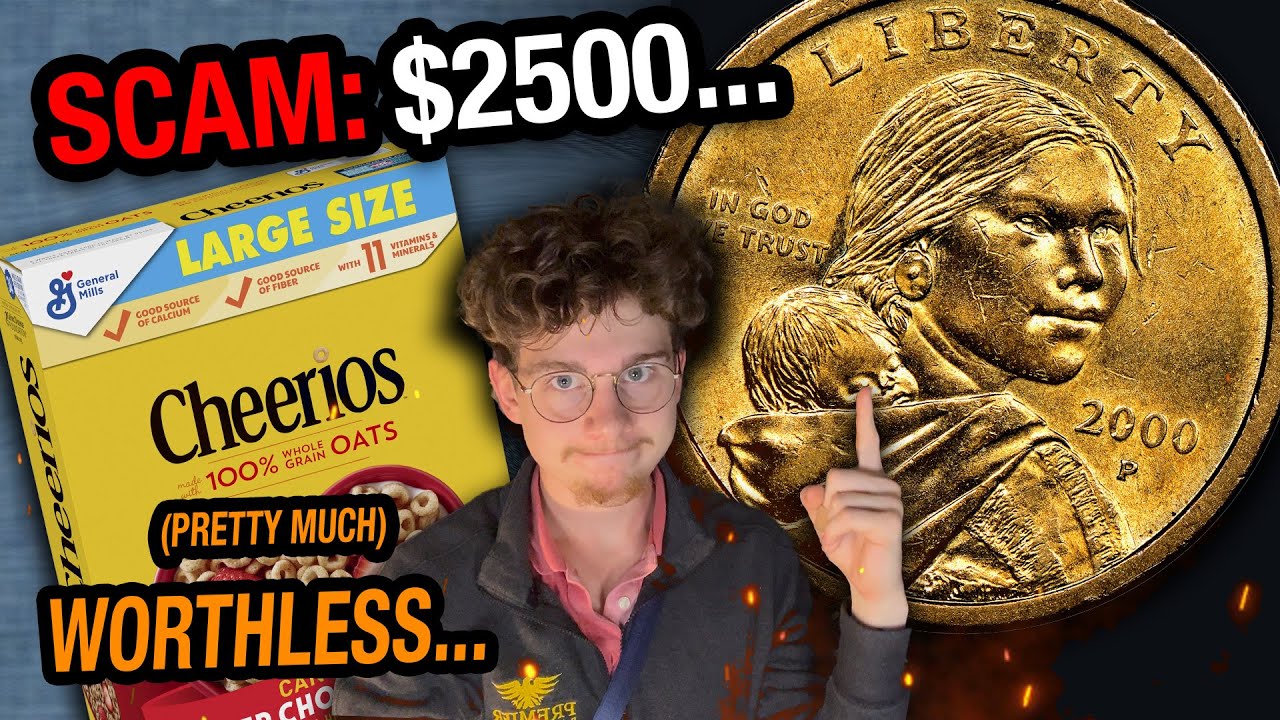
Is the Sacagawea Dollar Worth Millions? Here’s What I Discovered!
Honestly, I was just browsing YouTube for something casual to watch and stumbled upon a video titled, “Is the Sacagawea Dollar ACTUALLY worth Millions? Scam Warning!” from the channel watch. Little did I know, I was about to dive into a fascinating world of coins, history, and a few surprises that I didn’t see coming. Spoiler alert: there’s a lot more to this coin than I ever imagined.
My Curiosity Got the Better of Me
Now, let me set the scene. I’m lounging on my couch, sipping coffee, when I remembered an old Sacagawea dollar I had tucked away in a drawer. I’d heard whispers of its potential value and figured it was time to learn more. Was I sitting on a goldmine, or was it just a glorified quarter? That was the million-dollar (pun intended) question! So, I clicked play, not quite prepared for the rabbit hole I was about to plunge into.
The Big Reveal: A Coin with a Rich History
Immediately, I was captivated by the history behind the Sacagawea dollar. The video introduced me to the story behind its creation in 2000, which is quite interesting. It wasn’t just about the shiny gold-plated coin; it was about honoring a Native American woman who played a pivotal role in American history. Get this: Sacagawea traveled thousands of miles with Lewis and Clark, helping them navigate uncharted territories, all while carrying her infant son, Jean Baptiste. Can you even imagine?
Honestly, I was surprised by how little I knew about her journey. It’s incredible to think that her strength and courage are commemorated in such a tangible way. I couldn’t believe that this was more than just a coin; it represented a rich narrative of hardship, adventure, and cultural significance.
Why This Matters: A Marketing Flop
Next up, the video tackled the marketing rollout of the coin and, wow, did that catch my attention. Despite the fascinating backstory and beautiful design, the Sacagawea dollar never really took off in circulation. Why, you ask? Well, it turns out people were just so used to the traditional dollar bills that the new shiny coin didn’t make much of a splash. It’s like trying to introduce kale chips to a community hooked on potato chips. You can see where the challenge lies!
I found it interesting (and a bit sad) to think that something meant to be revolutionary had become largely disregarded. It made me ponder how often we overlook things that could change our lives simply because we’re stuck in our ways.
The Hidden Costs: What’s the Value?
Now, here’s where things get really intriguing. The video detailed which specific Sacagawea dollars hold value over others. I learned about rare varieties like the “Cheerios dollar”—a specific type given out in, you guessed it, Cheerios boxes. Who would’ve thought breakfast could lead to potentially valuable collectibles? I mean, talk about a fun twist on cereal boxes!
In real talk, that surprised me. I don’t know about you, but it’s a foreign concept to think that a coin I’d long regarded as pocket change could actually be worthwhile. What really blew my mind was the breakdown of what to look for—specific mint marks, unique features, and the significance of condition. Am I the only one who felt a rush of excitement at the thought of checking my own coins? I needed to dive into that drawer and start inspecting!
How to Spot a Treasure: Spotting Value in Your Coins
As I continued to watch the video, I was practically on the edge of my seat when the host detailed how to identify whether your Sacagawea dollar is worth more than face value. It’s like a scavenger hunt, and it felt almost like a treasure map unfolding before my eyes! To put it into perspective: a well-preserved coin could be worth hundreds, or even thousands, of dollars depending on its rarity.
Here’s the kicker: I had been holding onto this coin, completely unaware that it could have historical significance. I felt like I had stumbled upon a diamond in the rough! I couldn’t resist the urge to check my own coin—and guess what? I didn’t find a treasure, but it definitely sparked a newfound appreciation for this seemingly mundane dollar.
The Practical Takeaways: What Should I Do With This Knowledge?
So, what does this all mean for you? If you’ve got coins lying around, it might be worth sifting through them! Here are a few actionable steps based on what I learned:
- Inspect Your Coins: Check for any Sacagawea dollars in your possession. Look for those cheerful Cheerios ones or any unusual mint marks.
Getting involved in coin collecting could add a fun new element to your hobby. Honestly, it might even spark a little excitement in your day-to-day life. We often overlook the past, and who knows what stories each coin could tell if we just take a moment to stop and listen?
Final Thoughts: A Hidden Gem of a Video
I came away from this video with a rating of a solid 9 out of 10. It wasn’t just about the coins; it was about history and rediscovering value in unexpected places. The host delivered the information in an engaging way, while also sounding genuinely excited about the topic. If you have ever wondered about the worth of that Sacagawea dollar lying around, I highly recommend checking it out!
What do you think about coin collecting? Have you stumbled across something valuable in your own change? Drop a comment below if you’ve ever experienced the thrill of finding something unexpected. I’d love to hear your stories!
Watch the full video here and let me know what you think: <a href="https://www.youtube.com/watch?v=Nq9Rj2wz4cU" target=”_blank” rel=”noopener”>Is the Sacagawea Dollar ACTUALLY worth Millions? Scam Warning!