
Walking Liberty Half Dollars: Design, History, and Every Date You Need to Know
A Design Born for the Ages
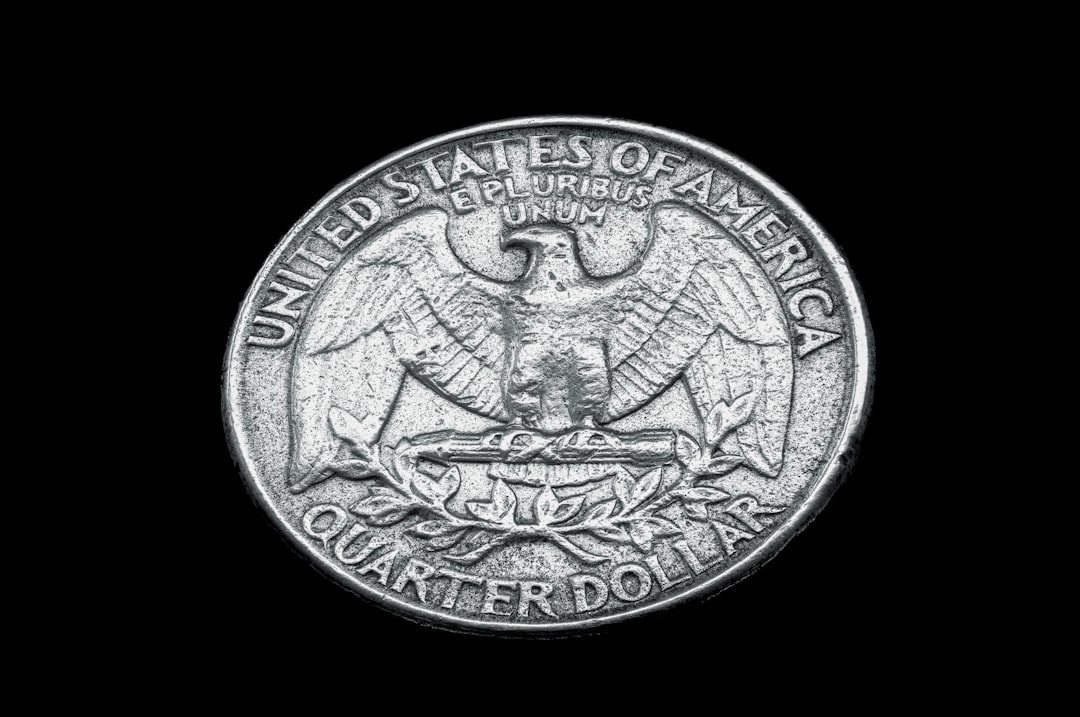
Few American coins have commanded the admiration of collectors, artists, and historians quite like the Walking Liberty Half Dollar. Struck from 1916 through 1947, this iconic fifty-cent piece bears one of the most celebrated coin designs ever produced by the United States Mint. The obverse depicts a full-length Liberty striding confidently toward the rising sun, draped in the American flag and carrying branches of laurel and oak — symbols of civic and military glory. The reverse features a proud American eagle perched upon a mountain crag, wings spread in dignified repose.
The design was the work of Adolph A. Weinman, a German-born sculptor who had studied under Augustus Saint-Gaudens and absorbed the ideals of the American Renaissance in art. Weinman also designed the Mercury Dime, introduced the same year, making 1916 a landmark moment in United States coinage history. His Walking Liberty design was so universally praised that it was later chosen — with minor modification — to grace the American Silver Eagle, a decision that speaks to the enduring power of his artistry. Weinman’s legacy extends even further: the 2021-W Palladium Eagle was issued specifically to honor his contributions to American coinage.
Three Mints, Decades of Production
Walking Liberty Half Dollars were produced at three facilities: the Philadelphia Mint (no mintmark), the Denver Mint (D), and the San Francisco Mint (S). From 1916 through 1933, the mintmark appeared on the obverse near Liberty’s hand. Beginning in 1934, it was relocated to the reverse, below the motto. Collectors should be aware of this distinction, as it affects both identification and, in some cases, valuation.
Philadelphia was the primary producer throughout the series and generally struck the highest mintages. Denver and San Francisco each contributed important dates, with San Francisco often providing some of the series’ more reliably struck examples in later years. The overall output varied considerably by era — early issues from 1916 to 1921 tend to be scarcer across all three facilities, while the 1940s saw production ramp up significantly to meet wartime and postwar demand.
Key Dates and Semi-Keys Every Collector Must Know
The 1917 Walking Liberty Half Dollar represents one of the earliest entries in the series and an important touchstone for date collectors — produced during a period when mintages were still modest and the design was fresh from Weinman’s hand. The 1916 Philadelphia issue launched the series with a relatively modest mintage of just over 600,000 coins. Even in circulated grades, original examples are genuinely scarce. The 1916-D, struck in Denver, is rarer still — only 1,014,400 were produced, and surviving examples in problem-free circulated condition are highly sought after. Both coins are considered true key dates and command substantial premiums at virtually every grade level.
The most coveted coin in the entire series, however, is the 1921 Philadelphia issue. With a mintage of just 246,048, it is the lowest-production Walking Liberty Half Dollar ever struck. Fine and Very Fine examples regularly trade at four-figure prices, and Choice Uncirculated coins can bring five figures or more at auction. The 1921-D, while slightly more available with a mintage around 208,000, is equally prized — and for many collectors, even more difficult to locate in grades above Extremely Fine. These two dates effectively define the upper tier of Walking Liberty collecting.
Beyond the true keys, several semi-key dates merit careful attention. The 1919-D and 1919-S both saw low production and heavy circulation, making high-grade examples elusive. The 1935-S Walking Liberty Half Dollar is another date that rewards patient collectors who seek out well-struck, original examples. The 1938-D stands out as the lowest-mintage issue of the series’ later years, with only 491,600 pieces struck, and it is widely recognized as a condition rarity in Mint State grades. The 1923-S, 1927-S, and 1933-S round out the list of dates that frequently surprise newer collectors with their scarcity in the marketplace.
Strike Quality and Grading Considerations
One of the most critical — and often underappreciated — aspects of Walking Liberty Half Dollar collecting is the dramatic variation in strike quality across different dates and mints. The high relief of Weinman’s design, particularly on Liberty’s head, left hand, and the eagle’s breast feathers, made achieving full strikes challenging. Many coins left the mint with softness in these areas, even in Uncirculated condition.
Coins with full, sharp strikes are substantially rarer than the population reports suggest and can command multiples of the price of a typical Mint State example in the same numerical grade. Dates notorious for weak strikes include many Denver issues from the late 1930s and early 1940s. The professional grading services PCGS and NGC both recognize this disparity, and designations such as “Full Strike” or “+”-quality coins are pursued aggressively by advanced collectors. When evaluating a Walking Liberty Half Dollar, examining the high points under proper lighting is essential — a coin graded MS-64 with a full, crisp strike may be more desirable and valuable than an MS-65 with typical softness.
Luster is another consideration. The series spans over three decades, and the characteristics of original luster shifted as the Mint adjusted its planchet preparation and striking procedures. Early issues tend to display a satiny luster, while later Philadelphia coins often exhibit a frosty cartwheel sheen. Toning, when original and attractive, can enhance value significantly, particularly on San Francisco issues from the 1940s — coins like the 1942-S Walking Liberty Half Dollar and the 1943-S Walking Liberty Half Dollar are especially prized when found with rich, original surfaces.
The Walking Liberty Legacy
The series came to a close in 1947, replaced the following year by the Franklin Half Dollar. Yet the Walking Liberty design proved impossible to retire permanently. When the United States Mint introduced the American Silver Eagle one-ounce bullion coin in 1986, it turned to Weinman’s masterwork for the obverse design, a direct acknowledgment of its standing as one of the finest achievements in American numismatic art. Today, millions of Silver Eagles are purchased annually by investors and collectors worldwide — but for many, the original Walker in original silver, struck between 1916 and 1947, remains the definitive expression of the design.
Building a complete date-and-mintmark set of Walking Liberty Half Dollars represents one of the great pursuits in classic American coin collecting. Whether the goal is assembling a circulated set across all 65 business strike issues, cherry-picking key dates in premium grades, or hunting for sharply struck Mint State examples, the series offers depth, beauty, and lasting numismatic significance at virtually every level of the hobby.
Premier Rare Coins maintains an active inventory of Walking Liberty Half Dollars across all grades and price points — from circulated key dates to certified Mint State examples. Browse our current selection to find the coins that belong in your collection.
Shop Related Coins
- 1917 Walking Liberty Half Dollar (PCGS Secure) — $2,997.50
- 1943-S Walking Liberty Half Dollar — $2,600.00
- 2021-W Palladium Eagle — Adolph Weinman Tribute — $3,270.00