
Why I Never Knew the Real Gold Rush Story Until Now
Why I Never Knew the Real Gold Rush Story Until Now
When I clicked on the video titled “The Gold Rush Everyone Gets Wrong,” I thought I was in for your typical history lesson about California’s 1849 gold rush. Honestly, I would have bet a shiny gold nugget that was the end of the story. But oh boy, was I in for a surprise! By the end of it, I felt like I had been missing a huge piece of American history, one that challenges everything I thought I knew. So, grab a seat, because I’m about to take you on a journey through the unexpected saga of a different gold rush—one that started way back in North Carolina!
The Intriguing Start
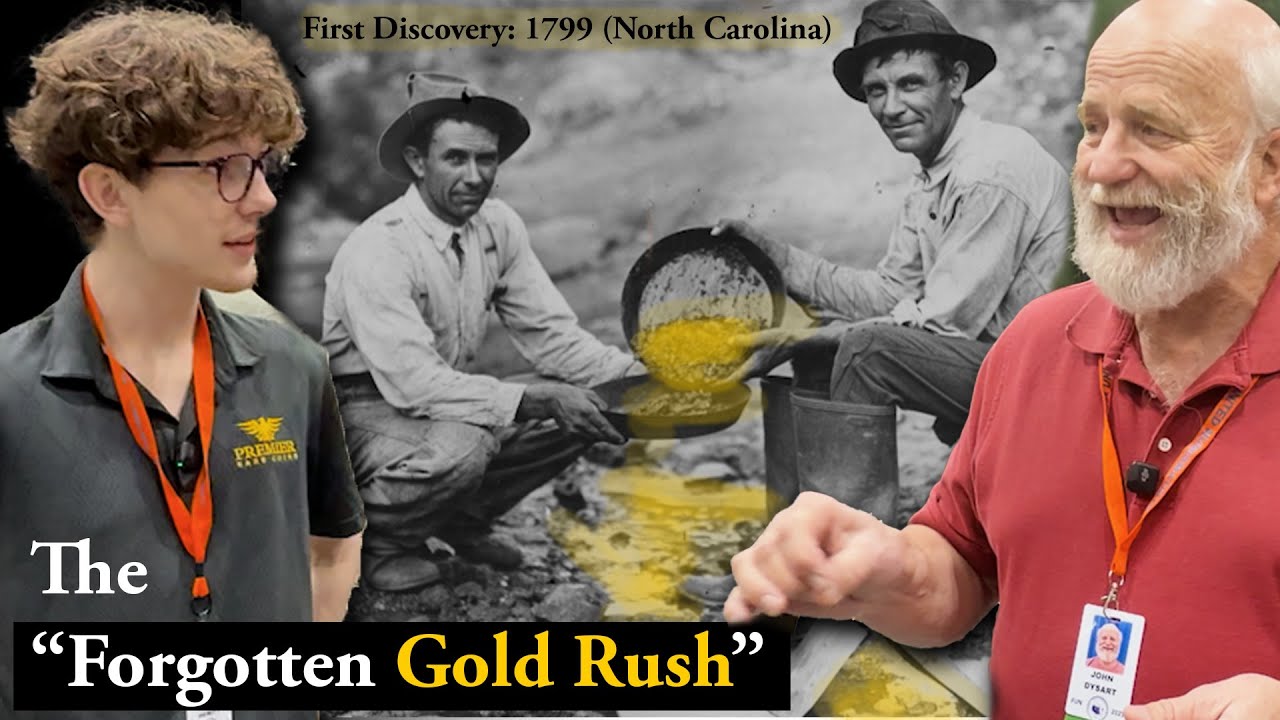
As the video unfolded, I was instantly drawn into the vibrant world of early American gold mining, where North Carolina takes center stage in a story that most of us, including myself, have completely overlooked. It brought to light the fact that while most people think of California as the birthplace of the American gold rush, the real action was happening nearly 50 years earlier in North Carolina! I couldn’t believe when the narrator discussed the Reed Gold Mine, where gold was first discovered in 1799. This was a real game-changer for me, and I bet many of you feel the same way after watching the video.
What Caught My Attention
Now, here’s the thing: The video features John Dysant from the Reed Gold Mine, who shares incredible insights into this lesser-known aspect of American history. When he explained how the rush in North Carolina predated the one in California, I could almost hear the gears in my mind clicking into place. Got a mental image of gold prospectors in dusty California? Well, picture this: folks were panning for gold and establishing mines in North Carolina nearly half a century earlier! What really blew my mind was how different these two gold rushes actually were, not just in timeline but in impact.
The Big Reveal: Understanding the Timeline
To put this in perspective, the California gold rush is often romanticized, the flashy “Forty-Niners” digging up legendary riches just for the thrill of it. But Dysant paints a raw and gritty picture of the North Carolina scene. You know that classic image of folks with pickaxes and pans, saying “Eureka”? Well, the truth is, it was a lot messier in North Carolina, where many were just trying to scrape by! It’s a humbling thought that while we celebrate the gold rushes, many miners were just hoping for enough gold to keep their families afloat.
The Hidden Costs of the Gold Rush
Now, here’s the kicker: While the allure of gold was like a shiny cosmic carrot, the costs—both human and environmental—were immense. I never really thought about it before, but hearing about the hardships miners faced in North Carolina put a different spin on the whole “pursuit of happiness” narrative. Imagine losing everything to claim your stake, only to find that the gold wasn’t enough to do more than put food on the table. Honestly, that surprised me.
Why This Matters
So, why should we care about this? Here’s the deal: Knowing the true origins of the gold mining industry helps us appreciate the wealth, but also the struggles that founded this nation. It’s a reminder that every shiny success story comes with its own shadows. Also, as I reflected on this while watching the video, I remembered my own experience digging for treasure on a family trip. I felt rich finding pocket change, yet here were these miners with their aspirations of striking it big. Talk about a contrast!
Modern Gold Mining: Where Do We Stand?
Now, let’s fast-forward to today. Modern gold mining techniques and the debate over environmental impacts remind us that history is very much alive. The struggle doesn’t end; it evolves. I kept thinking about how the same urge to find gold persists, but at what cost? This curiosity struck me as something we must contemplate as we push forward into the future. Would you venture out to mine gold with today’s environmental consciousness in mind? Or has greed overshadowed reason in this “new” gold rush?
Personal Reflections and Engagement
This video truly served as a mirror for our choices today. I mean, we often get caught up in the “glitz and glam” of finding our own treasures, whether that’s gold, success, or “likes” online. But let’s chat for a second—what do you think? How does this story shift your perspective on modern-day pursuits? Drop a comment if you’ve ever felt that tug of wanting to strike gold in your endeavors but have recognized the weighty costs that sometimes come with it.
Practical Takeaways: Lessons to Apply Today
So what does this mean for you? Well, there are a few gems to take away from all of this:
- Research and Learn: Dig deep into history; there’s always more than one side to a story.
By remembering these lessons, we can apply them not only to our financial goals but also to our personal growth.
Final Thoughts: The Journey of a Gold Seeker
After watching “The Gold Rush Everyone Gets Wrong,” I can confidently say I’d rate this video an 8.5/10. It opened my eyes to a captivating part of American history I’d completely glossed over! If you’re someone who enjoys unwrapping the complexities of our past and can appreciate a narrative woven through personal struggle and triumph, this video is a must-watch. Honestly, I’m excited to hear what you think—did you know about North Carolina’s role in the gold rush? Or is this a revelation for you too?
Watch the full video here and let me know what you think: <a href="https://www.youtube.com/watch?v=3LX_PHKcJqc" target=”_blank” rel=”noopener”>The Gold Rush Everyone Gets Wrong