
Why I Was Totally Awestruck Watching “The History of Money”
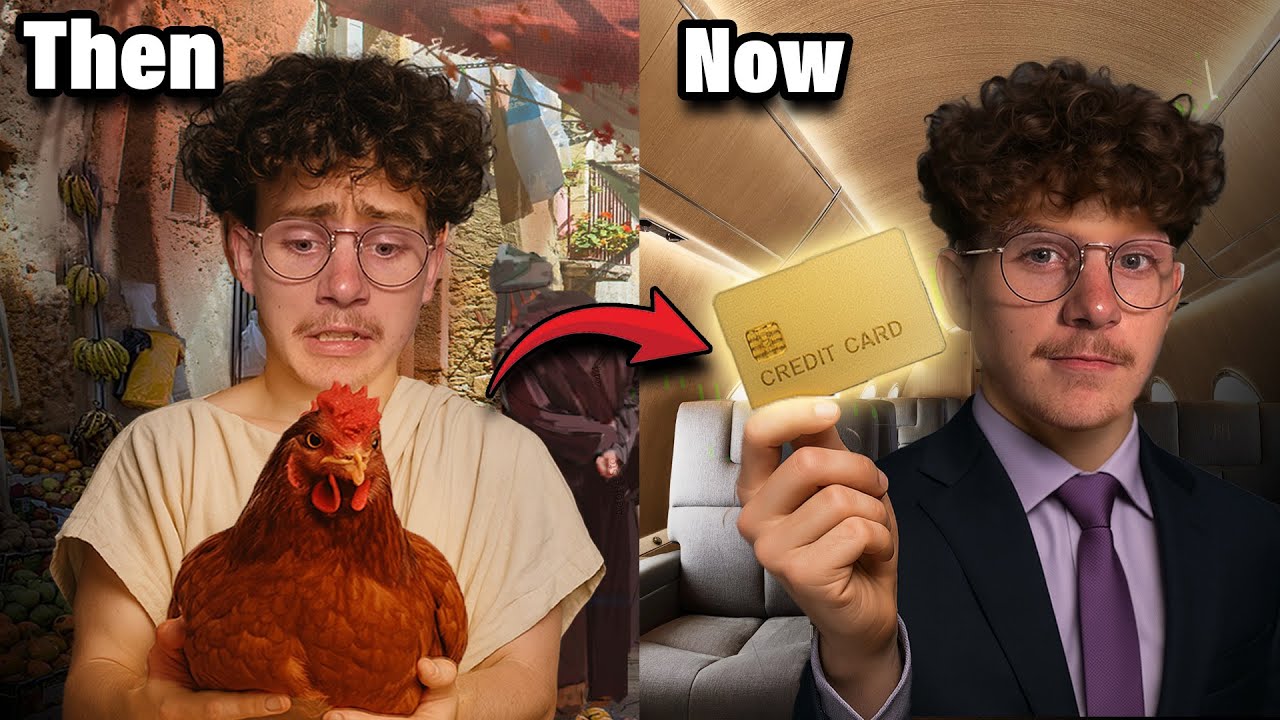
Why I Was Totally Awestruck Watching “The History of Money”
I’ve always had a mild fascination with how people value things. As a kid, I remember trading my lunch snacks for shiny stickers or even a cool rock. So, when I stumbled upon the YouTube video titled “The History of Money: Explained.”, I thought, “What a perfect way to revisit my childhood bartering days!” Honestly, little did I know that it would be a deep dive into 11,000 years of economic evolution. And wow, what a journey it was!
Filmed at the American Numismatic Association (ANA) Money Museum, this video, hosted by curator Caroline Turco, took me on an exhilarating ride through time, and let me tell you—it was eye-opening. Trust me when I say, this isn’t just about coins and paper money. It’s a much richer, deeper story that truly caught my attention and made me rethink how I view money today.
The Big Reveal: What Really Is Money?
The video kicked off by asking a simple yet profound question: “What is money?” I couldn’t help but chuckle. It sounds obvious, but our notion of money has evolved so much that it’s almost a philosophical inquiry at this point. From the start, Turco set the tone with an infectious enthusiasm that hooked me in.
Here’s the kicker: I was amazed to learn just how recently money as we know it came into play. You might think instantly about coins or bills, but originally, people relied on barter systems for trade. Imagine trying to convince someone to give you food in exchange for a service with no defined value! Talk about stressful! Turco explained that agrarian societies actually needed a more efficient way to trade than this cumbersome system, ultimately planting the seeds for what we now recognize as currency.
From Barter to Coins: Why Change Was Needed
To put it in perspective, think about how many steps it took just to exchange goods with someone in a barter system. You want potatoes, but the farmer only wants shoes. That’s where things get interesting. So, societies began to create standards for trade, leading to the invention of coins. What I found fascinating was how, in ancient Lydia, coins made from electrum (a naturally occurring alloy of gold and silver) became a game-changer. Imagine holding a piece of history that simplifies trade like nothing else could!
But one specific moment truly floored me when Turco mentioned the Yap stones from Micronesia. These massive stones were used as currency. Get this: they could weigh more than a small car! Can you picture that? How did transactions even happen? Were they rolled along the road? Apparently not. They were more about reputation; if you owned one, it signified wealth, even if it was sitting on a separate island. How wild is that?
History and Sight: Wampum of North America
Then we traveled to North America, where the wampum—a form of currency made from purple beads and shells—emerged. Honestly, I was surprised to learn that these simple pieces of craftsmanship held so much meaning and economic power! They weren’t just pretty souvenirs; they represented historical transactions, treaties, and even social agreements. It got me thinking: What equivalent do we have today? Maybe a beautifully crafted credit card…? No, that doesn’t have the same charm, does it?
What Really Surprised Me: The Rise of Precious Metals
The rise of precious metals as money was another eye-opener. Coins of gold and silver became synonymous with wealth and potential because of their inherent value. Turco showcases how these precious metals fueled economies, and I had a lightbulb moment. Why is it that we still perceive gold as a stabilizer in today’s economy? It’s not just our habit; there’s a historical context backing this practice!
The Paper Money Revolution
Now, let’s sidestep a bit and talk about paper money, which Turco described as a revolution in colonial America. Honestly, just thinking about paper as money felt so futuristic during the time! Turco explained how it provided portability and convenience—a far cry from lugging around heavy coins. I couldn’t help but chuckle at how, back then, people must have looked at paper money as if it were magic!
What’s interesting here is how these changes in currency were often driven not just by economics but by political forces, too. Wars, elections, and fluctuating trust in governments all had an impact. It made me ponder how much our own economic decisions today are swayed by political currents. Have you ever considered this about your own spending habits?
The Hidden Costs of Currency Changes
Yet, with each transformation of what we consider money, there were hidden costs. Take, for instance, the introduction of paper currency leading to counterfeiting. Turco pointed out how, with great convenience, comes great risk. I was left wondering about our own current issues with digital currency and cybersecurity. If only they had known back then what the future would bring, right?
What I Learned: Practical Takeaways
So what does all of this mean for you and me? Watching the video, it dawned on me how we often take for granted the systems we have in place today. It’s crucial to realize that money isn’t just a medium of exchange; it represents trust, community, and even history. So, the next time you swipe your card or Venmo your friend, think about the complex history behind it! Would you ever consider investing in something as old-school as physical gold or silver after watching this?
In our rapidly changing economic landscape, it’s essential to be informed about how the past impacts today. Understanding the function and evolution of money can help you make smarter financial choices! And hey, who doesn’t want a little edge when it comes to finances?
Final Thoughts
Honestly, I’d rate this video an 8.5/10. It not only changed my perspective on money but also ignited a curiosity in me about the history behind it. Whether you’re a finance nerd, someone just fascinated by history, or even just looking for an engaging way to learn, I recommend watching this video.
What if our views on money were as complex as the history that shaped it? I bet you’ll start seeing it around you differently after this deep dive! Go ahead; drop a comment below if something surprised you or if you have your own money story to share. And, if you enjoyed it, think about recommending it to a friend, too!
Watch the full video here and let me know what you think: <a href="https://www.youtube.com/watch?v=TmDrByb5hsA" target=”_blank” rel=”noopener”>The History of Money: Explained