
My Mind-Blowing Journey into 18th Century Coin Making!
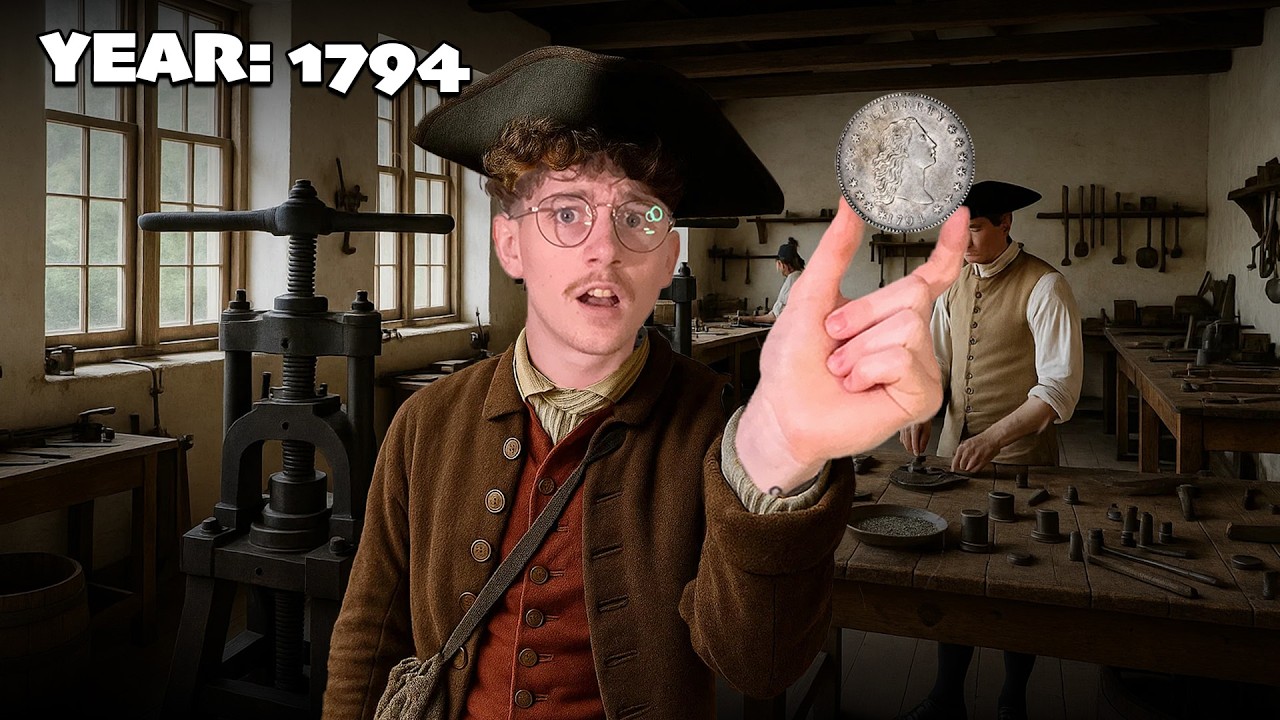
My Mind-Blowing Journey into 18th Century Coin Making!
Honestly, I didn’t think I’d have one of those “Wow, I never knew that!” moments today, but boy, was I wrong! I recently stumbled upon a video titled <a href="https://www.youtube.com/watch?v=2MylJMAc11A">I Made Coins Using 18th Century Techniques! on the watch channel, and it left me both fascinated and a bit in awe. I mean, coins are something we see and use every day without really thinking about the process behind their creation. The craftsmanship, the tools, and the techniques—they all tell a story of our history. Want to discover what I found? Keep reading!
Hooking Me Right In
From the moment I hit play, I felt like I was transported back in time. The enthusiasm of the host was contagious, and as he introduced the fascinating world of coin making during the early years of the United States Mint, I found myself completely captivated. I couldn’t believe that the craftsmanship involved in making something as simple as a coin could be so intricate, and the techniques used back in the 18th century have this impressive blend of artistry and mathematics.
Here’s the kicker: just watching the entire process unfold—from the tools they used to the final striking of the coin—made me feel like I was part of history. Get this, I learned that the first official coins were minted in 1792, but let’s not jump ahead just yet!
The Birth of a Nation’s Currency
I found myself chuckling as I dipped into the early narrative. The host shared that the birth of the U.S. Mint is tied to a revolutionary idea: having our own sovereign currency could not only represent our nation but also unify the economy. Imagine that! In a time when barter was the norm, sovereign coins became symbols of trust and value. I was reminded of how much we take for granted today. If we had to go back to exchanging goods, trading avocados for eggs would be a daily dilemma!
Diving into the Mini Mint
As the host introduced the “Mini Mint” at the American Numismatic Association Museum in Colorado Springs, my intrigue deepened. I mean, who wouldn’t want to see how these ancient techniques translate into modern craftsmanship? Honestly, that floored me—seeing the actual tools and machines used made the whole experience feel vivid and real.
It felt like standing in a workshop straight out of a historical drama, and I could almost feel the weight of the metal, see the shine catching the light, and hear the rhythmic clanking of machines as coins were meticulously produced. Such a far cry from the automated processes we know today!
Rolling with the Process
The first step? The “rolling mill process.” Essentially, it’s where the metal was rolled out to the desired thickness before being cut into blanks. The host spoke passionately about the sounds the machinery made—honestly, it felt like a symphony of industry! It reminded me of watching bread dough being kneaded—a perfect combination of science and art. And just like that dough, the metal must have had a unique texture, flexible yet incredibly durable.
I was particularly struck by how much manual effort went into each stage of the process: nothing like the high-tech machinery you’d see today. To put it in perspective, these processes can take hours, not mere minutes. Imagine doing this for an entire day, every day, just to produce a handful of coins! Talk about dedication.
The Daunting Task of Cutting Planchets
Now, let’s talk about cutting the planchets. When the host demonstrated this part, I couldn’t help but draw a parallel to how cutting cookie dough works! You need precision. No jagged edges allowed! The planchets had to be perfect circles, and the care involved was palpable. I couldn’t believe the level of craftsmanship required—imagine if just one or two were messed up, they’d all end up in the reject pile!
A Blast from the Past: The Castaing Machine
Then came the moment where I thought, “Wow, this is where it gets really interesting!” The host introduced the Castaing machine, designed for creating lettered edges on coins. Talk about a cool historical artifact! Watching the machine in action was like seeing a lost art form—most folks probably have no idea that coins used to have lettered edges to deter counterfeiting. It’s incredible that this ancient technique was clever and effective!
Honestly, that surprised me—today we see that technology really is everything. Yet, these historical methods were both innovative and practical. To think they devised such ingenious solutions without the tech we rely on now is downright inspiring.
The Eager Final Stroke
As the final stage approached—the actual stamping of the coin—I felt this rush of excitement. The host emphasized how each coin had to bear the design perfectly. Picture an artist making that final stroke on a canvas; it’s basically the same thing, but on metal! I could almost feel the anticipation in the air, as if each coin carried dreams and stories within its pressed surface.
Watching the coins come out—gleaming, beautiful, and full of potential— made my heart flutter. These weren’t just pieces of metal; they were history in the making, tokens of a new nation and aspirations that echoed through time. Seeing that final product, I thought about how something so small could hold so much power and significance.
Why This Matters: Connecting the Dots
Reflecting on the entire process, I started to think about how coinage symbolizes so much more than just exchange. It represents history, the growth of our economy, and the very essence of a nation. Would you ever have considered that the coins jangling in your pocket could have such deep roots? I hadn’t, at least not until this video opened my eyes.
Moreover, with the shift towards digital currencies today, the craftsmanship of coin making feels even more significant. It’s a reminder of where we came from and how far we’ve evolved. What do you think about the future of coins? Are they on their way out, or does their tactile nature still hold some charm? Drop a comment if you’ve got thoughts on this!
Takeaway Tidbits
So what does all this mean for you? Well, the next time you fumble through your change, remember the hands that crafted each coin long before our modern design and production took over. These coins are more than just currency; they’re pieces of history. Maybe take a moment to appreciate the stories they tell, rather than just using them to buy coffee.
Also, if you ever have a chance to visit the American Numismatic Association Museum, I highly recommend checking it out. Seeing the techniques in person could very well ignite a spark of curiosity you didn’t know you had!
Wrapping It All Up
After diving into this fascinating world of 18th-century coin making, I’ve gotta give this video a solid 8/10. The way the host presented each step of the process was engaging and educational. Anyone with an interest in history, craftsmanship, or simply wanting to understand more about those coins jingling in their pocket should definitely give it a watch.
What really blew my mind was how this historical clip tied into our current financial practices. It’s amazing to think that almost three centuries ago, they were laying the groundwork for how we exchange goods today. If you found this topic intriguing, I encourage you to watch the video and share your thoughts. What surprised you the most?
Watch the full video here and let me know what you think: <a href="https://www.youtube.com/watch?v=2MylJMAc11A" target=”_blank” rel=”noopener”>I Made Coins Using 18th Century Techniques!